
The Antikythera Mechanism was recovered in 1901 from a shipwreck, and although it dates back over 2,000 years, this bronze gear-driven device predicted astronomical positions, solar/lunar eclipses, and synchronised with the timing of the ancient Olympic Games.
It is now twenty years since the Antikythera Mechanism Research Project established the basic workings of this remarkable machine. I will briefly review its structure and functions. The talk will then examine what we have learnt since then, and show how the Mechanism fits almost perfectly into the astronomical and literary context of the first century BCE. I will argue that some of its design elements reach even back further into history, and suggest that it marks a real shift in human thought about the Universe. To conclude I will try to trace what happened to its technology – which appears almost to vanish for a Millenium.
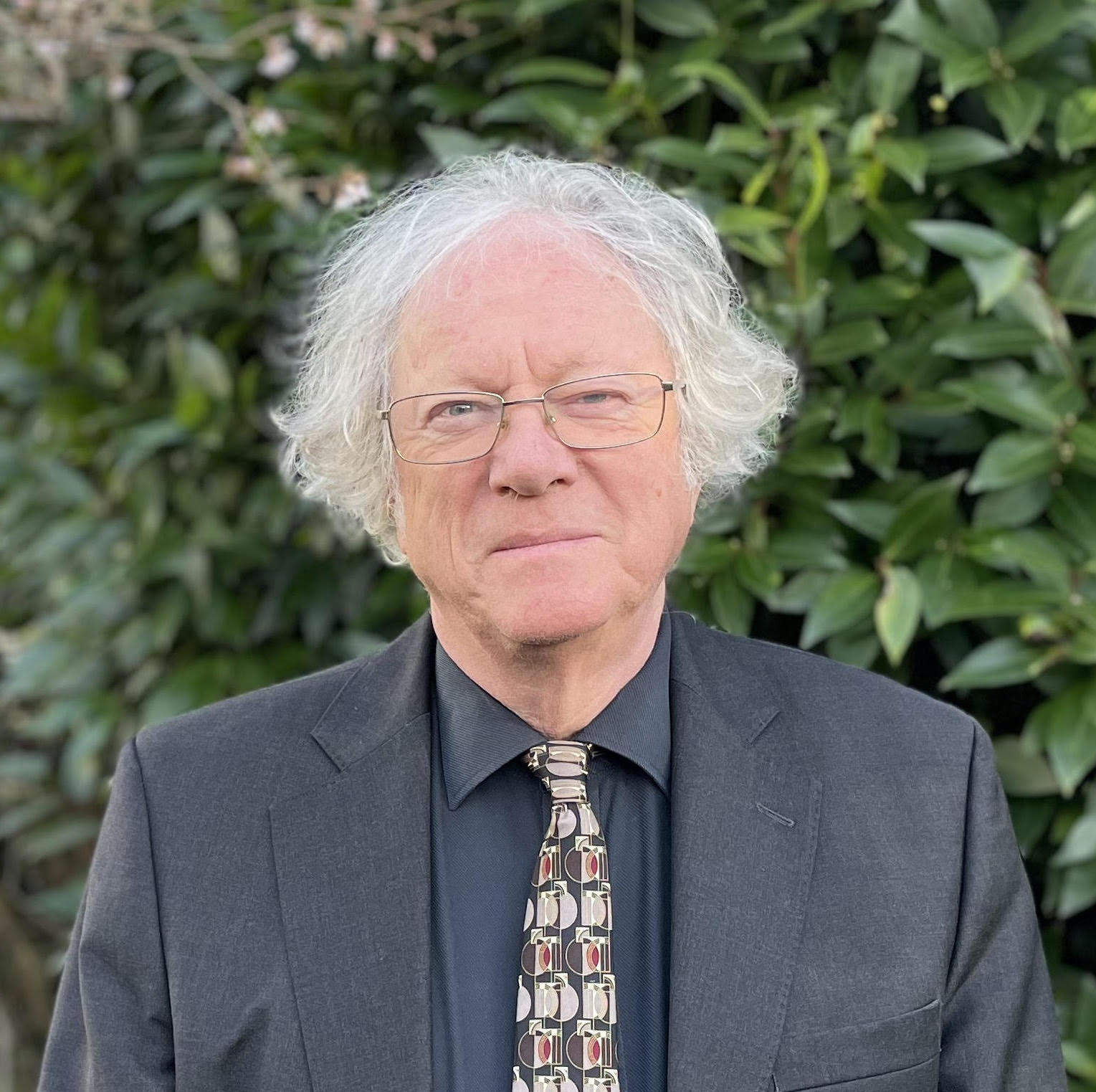
Mike Edmunds is Emeritus Professor of Astrophysics at Cardiff University and former Head of the School of Physics and Astronomy. He was educated at Cambridge, but has lived and worked in Wales for over 50 years. His research career involved the determination and interpretation of the abundances of the chemical elements in the Universe, and of the origin of interstellar dust. Later work has been in the history of astronomy, in particular the Antikythera Mechanism and the early history of the Royal Astronomical Society, of which was President in 2022-2024. He was member of two UK Research Councils (PPARC and STFC), and is an Honorary Vice-President of the Society for the History of Astronomy, and a Vice-President of the Herschel Society. He can occasionally be seen in his one-man play about Newton – “Sir Isaac Remembers…”.